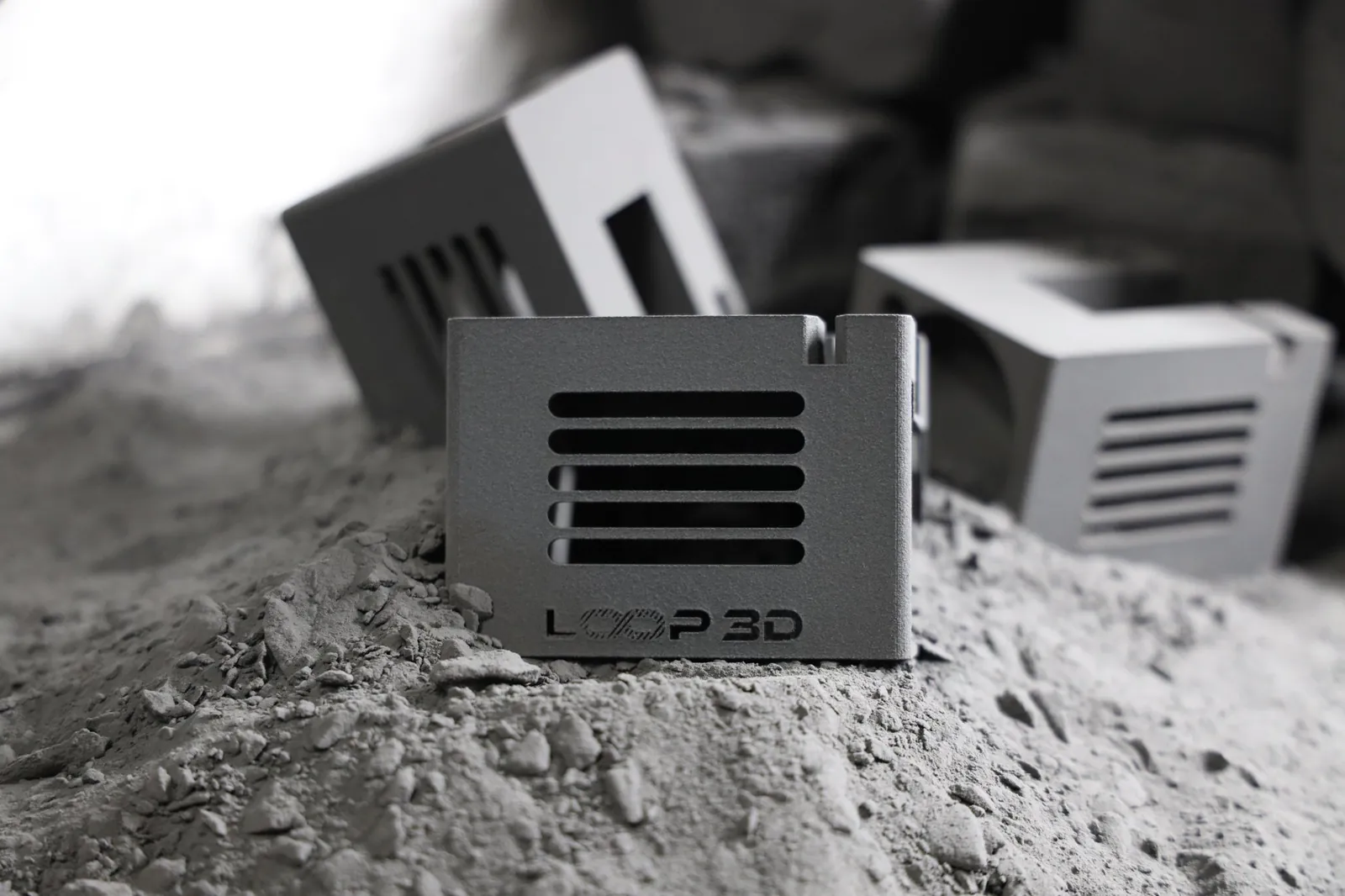
Selective Laser Sintering (SLS)
Strong, support-free nylon parts for production.
Photopolymer resin cured with UV light for fine detail, smooth finishes and tight tolerances.
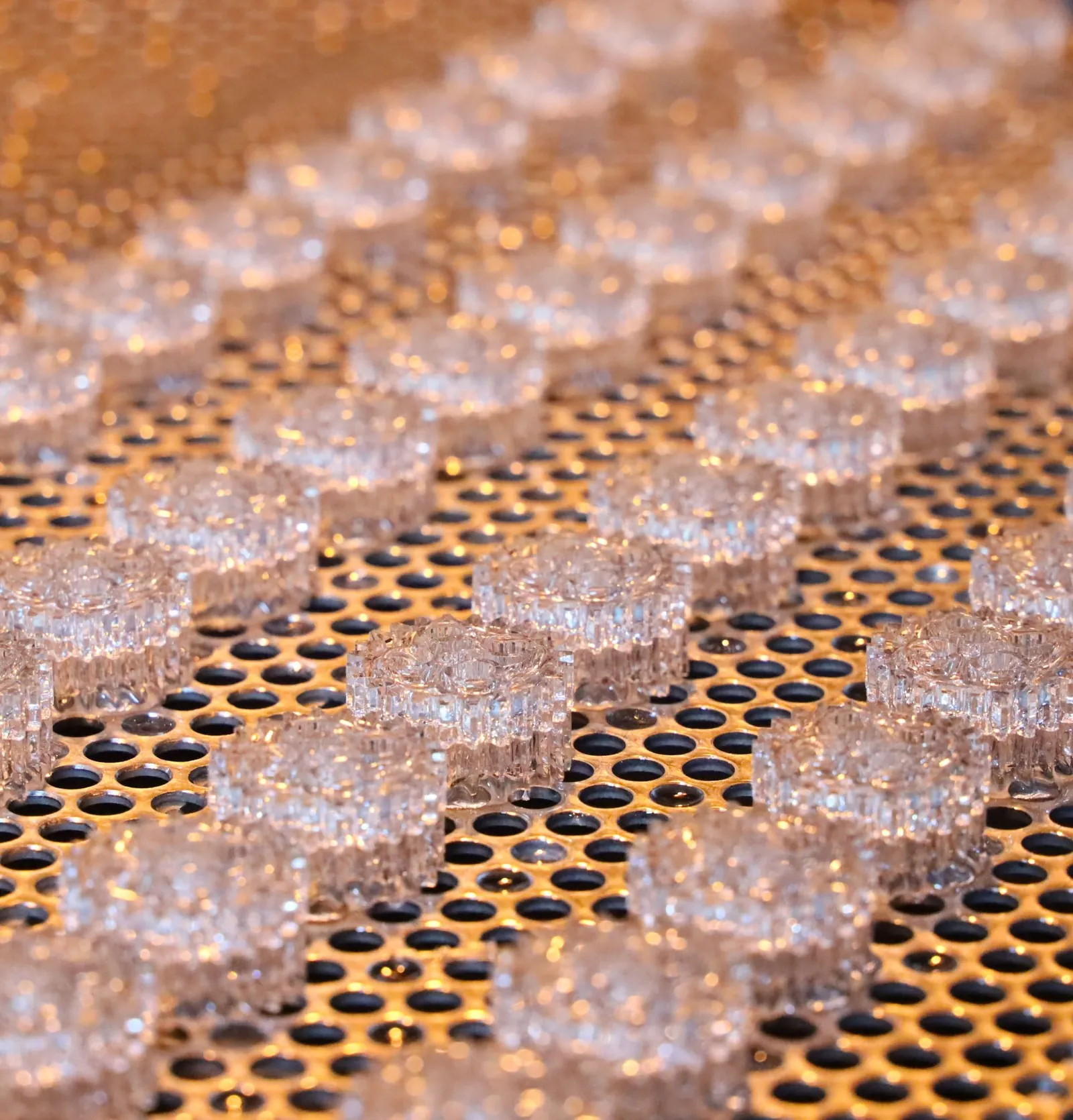
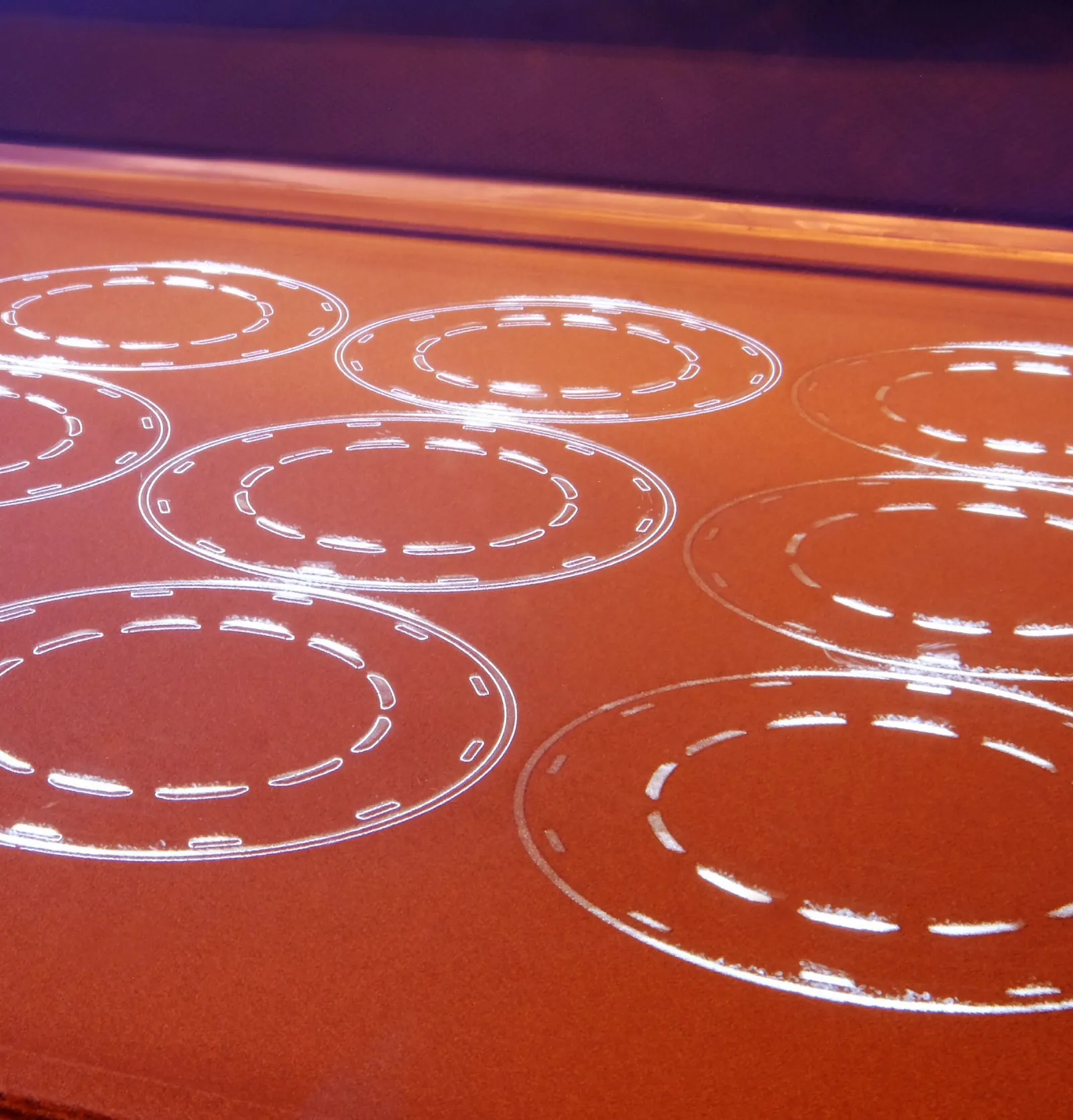
In SLA printing, a photopolymer resin is cured with a UV laser, layer by layer. The process uses support structures that are removed after printing, and it is the go-to technology for parts that need high accuracy and a smooth surface.
SLA parts can be finished to a very high standard with sanding, painting and varnishing.
| Material | Somos® WaterShed (transparent) |
|---|---|
| Build volume | 450 x 450 x 400 mm |
| Layer thickness | 0.1 mm |
An optically clear resin that is an equivalent solution where ABS- or PBT-like properties are needed. It helps shorten product development and testing, and is widely used in automotive, aerospace and consumer electronics, including for investment casting patterns.
| Tensile strength at break (ASTM D638M) | 50.4 MPa |
|---|---|
| Tensile modulus (ASTM D638M) | 2,770 MPa |
| Water absorption (ASTM D570) | 0.35% |
| Appearance | optically clear |
Typical values from the Somos® WaterShed datasheet; indicative only.
SLA design guide: wall thickness, holes, clearances and tolerances
Somos® WaterShed, an optically clear resin with ABS- and PBT-like properties.
Yes. WaterShed is transparent and colourless.
Up to 450 x 450 x 400 mm in one piece.
SLA produces very smooth surfaces straight off the printer, and parts can be sanded, painted or varnished.
Yes, for many uses. For the most demanding functional parts we may also suggest SLS or FFF.
Strong, support-free nylon parts for production.
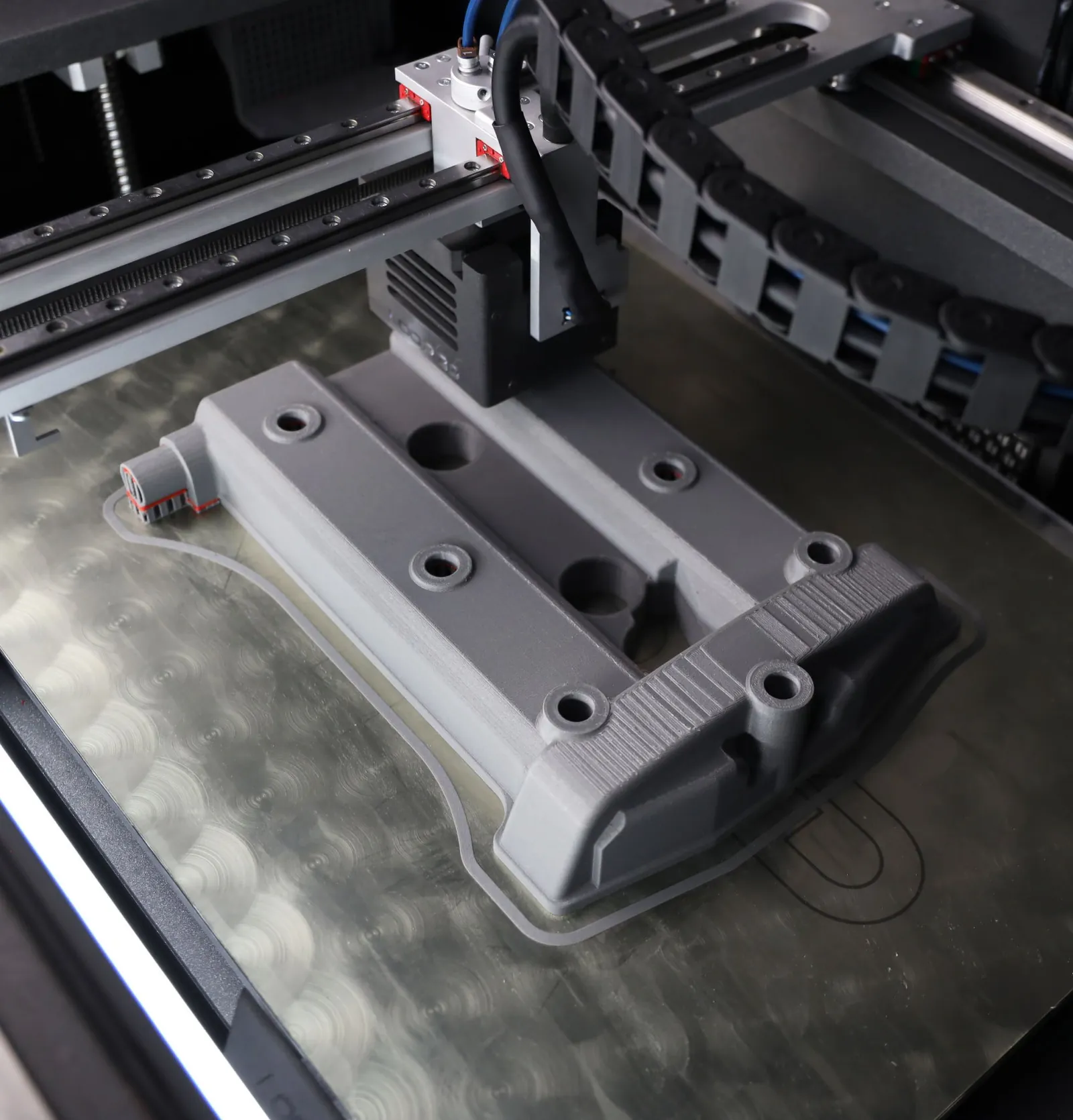
Cost-effective thermoplastic parts for prototypes.
Sealed, smooth surfaces for SLS and FFF parts.
Upload your 3D model for an instant price, or talk to our engineers about your project. Every part is made in our Milton Keynes facility.